

October 11, 2026 · 7 min read
PMO: Why Your Small Business Doesn't Need to Pay for One
By Mariano Sandonato, Founder of Base Core Sales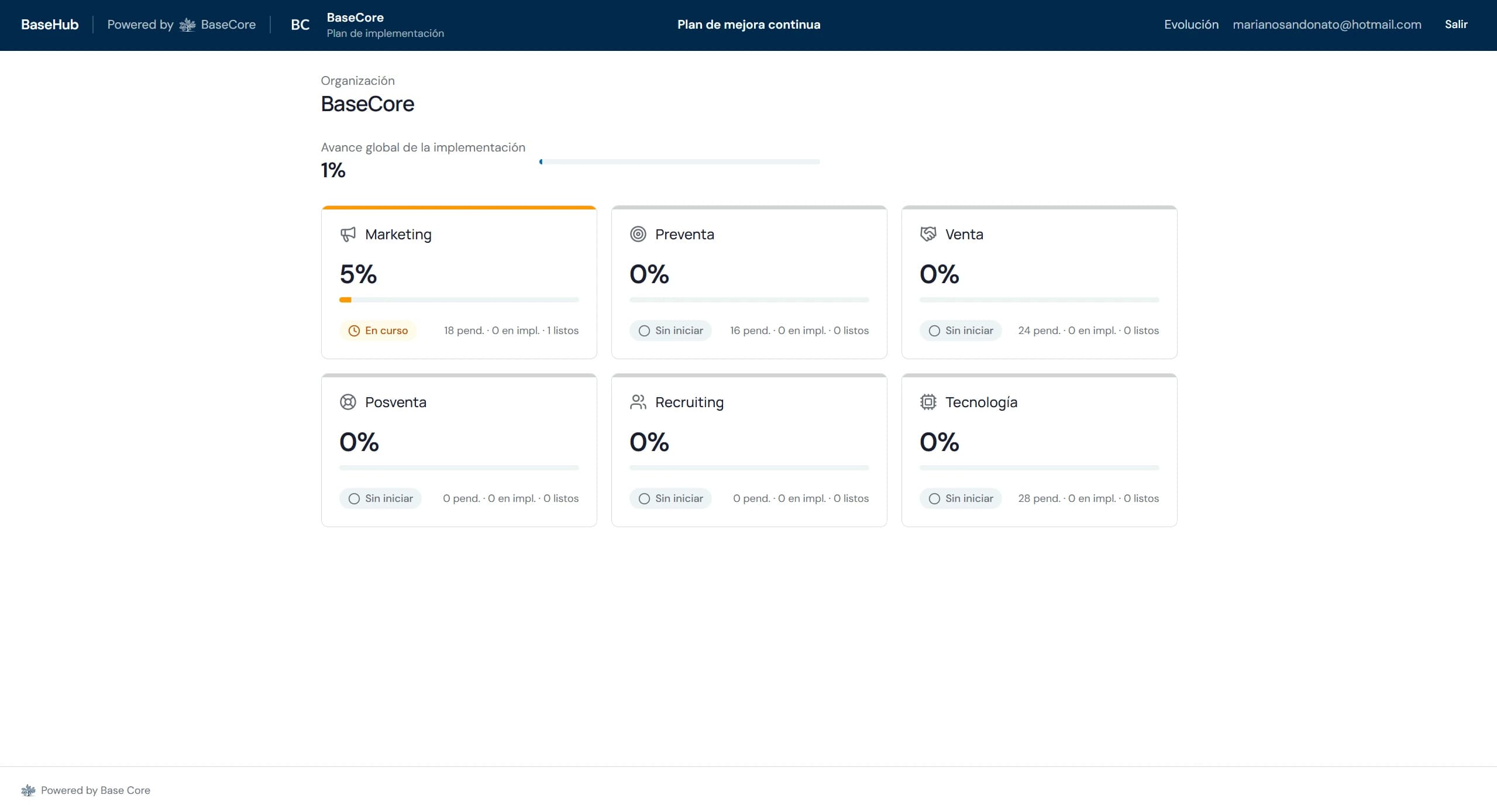
Someone who searches "PMO" rarely knows exactly what they're looking for. Some are trying to set up or hire a Project Management Office for their company. Others are studying for a certification (PMP, CAPM, PMBOK) and have no intention of hiring anything. That mix of intent is exactly what makes "PMO" a heavily searched term that's also a poor fit for a service page title. This article is for the first group — the small business owner asking whether they need their own PMO — and for almost all of them, the short answer is no.
What a PMO actually is (and isn't)
A Project Management Office is a function inside an organization that defines standards, methodology, and governance so projects get delivered consistently, instead of every project lead improvising their own approach. It's not the same as a professional certification (PMP, CAPM) or a standalone project management tool (Jira, Asana, Monday) — three different things Google lumps under the same acronym, each solved a different way.
What you're actually looking for when you search "PMO"
Almost no small business owner wants to stand up a new department. What they actually want is to stop depending on one person's memory to know where each project stands: who owns what, which tasks are behind schedule, and whether the project is moving at the pace that was promised. That's exactly what a PMO solves inside a large organization — but it doesn't require creating a new department to get the same result.
The real cost of building your own PMO
Before considering building one, it's worth looking at what a PMO costs in practice. According to PM Solutions' "State of the PMO" report (2025), the typical PMO has a staff of 8 people and an annual budget of US$500,000, sized to support a US$10 million annual project portfolio. That data comes from organizations of any size that reported having a formal PMO — not specifically from small businesses — but the order of magnitude is still a useful reference: it's a structure built to run dozens of projects at once, not for a small business that just wants visibility into its own implementation.
Why Base Core doesn't sell a PMO as an add-on
When we start a project with a client, we organize it in BaseHub, our own tracking platform: a dashboard per work area showing each one's progress, a catalog of the processes we're implementing with their real status (pending, in diagnosis, in implementation, implemented), task tracking with priority and target dates, a history that shows how each process evolved over time (not just today's snapshot), and access for the client's own team to log in and see the real status themselves, without waiting on someone to send a report. It's the same visibility a PMO is supposed to provide, built into the engagement — without adding a role, a budget line, or a separate piece of software.
Before you decide: 3 questions to avoid buying more structure than you need
- Do you need to govern several projects at once across different teams, or just clear visibility into one specific implementation?
- Do you have the budget and volume to justify a full-time role, or would you rather that tracking come included in what you're already paying for?
- Is the real problem a lack of methodology, or simply that no one today has one place to see where things stand?
If the answer to most of these is the second option, you probably don't need a PMO — you need the provider you've already hired to give you that visibility without charging extra for it.